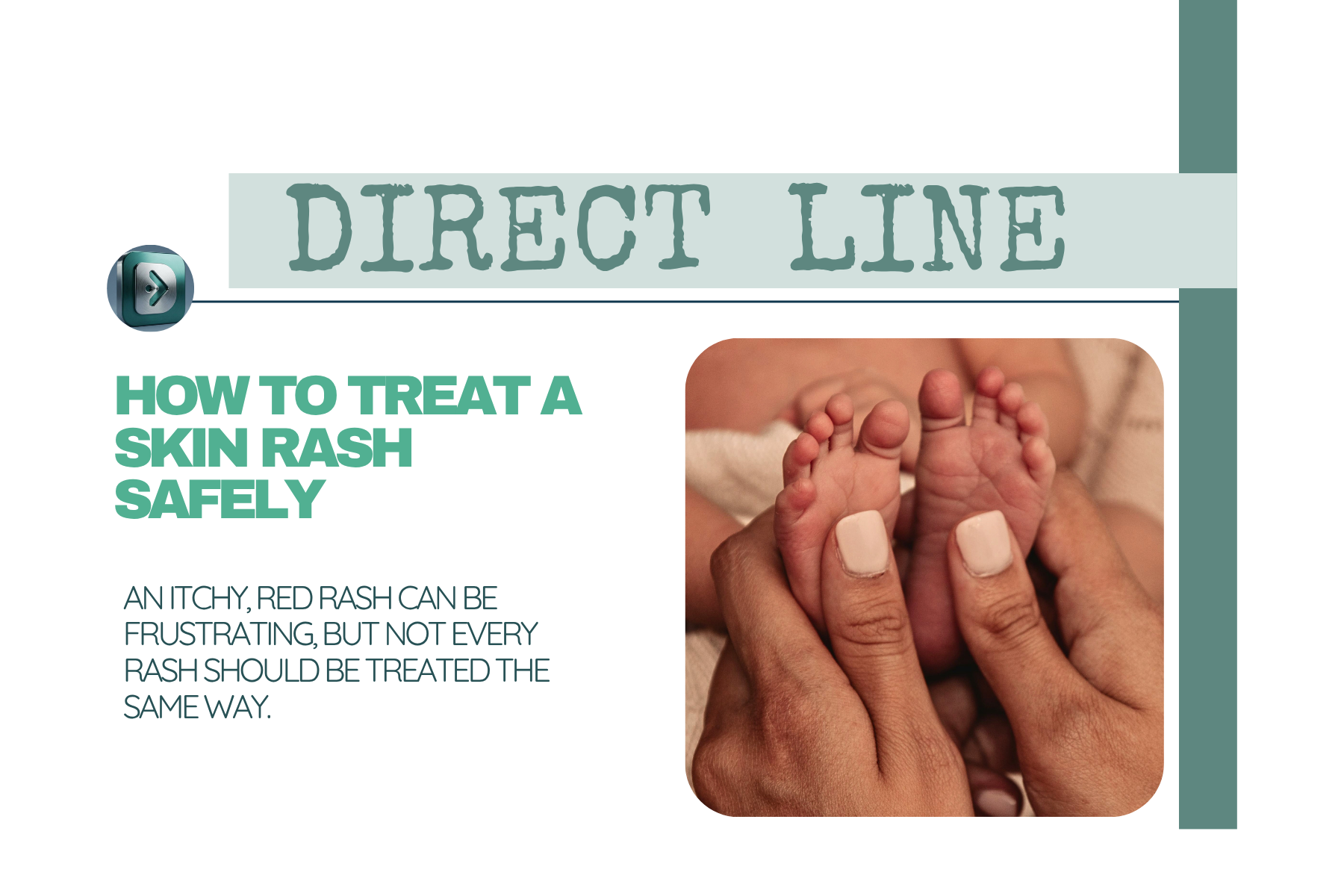
An itchy, red rash can be frustrating, but not every rash should be treated the same way.
You notice a patch of red, itchy skin on your arm. By the next day, it's spread a little more. Maybe it's dry and flaky, or perhaps it's covered in tiny bumps. You search online and find dozens of home remedies, but how do you know what's safe and what could make it worse? Skin rashes are extremely common and can affect people of all ages. While many are mild and improve with simple care, others may be caused by infections, allergies, or underlying medical conditions that require professional treatment. Understanding what may be causing your rash is the first step towards treating it safely.
About rash
skin rash: What You Need to Know
A skin rash is a change in the colour, texture or appearance of the skin. It may appear as redness, bumps, blisters, dry patches or swollen areas, and it can affect a small area or spread across larger parts of the body. A rash is not a disease on its own. Instead, it is a symptom that can have many different causes. Some rashes disappear within a few days, while others may persist until the underlying problem is treated.
There are many possible causes of a skin rash. Allergic reactions to foods, medications, cosmetics, soaps, or plants are common triggers. Skin conditions such as eczema and psoriasis can also cause ongoing rashes that flare up from time to time. Viral, bacterial and fungal infections are another common cause. Heat, excessive sweating, insect bites and exposure to irritating chemicals may also lead to skin irritation. In some cases, stress can worsen existing skin conditions, making a rash appear more noticeable.
Because different conditions can look very similar, it isn't always possible to identify the cause simply by looking at the rash.
The safest approach is to avoid scratching the affected area, even if it's very itchy. Scratching can damage the skin, increase irritation and allow bacteria to enter, which may lead to an infection. Keeping the area clean and gently washing it with lukewarm water and a mild, fragrance-free cleanser can help prevent further irritation. Applying a fragrance-free moisturiser may soothe dry or irritated skin, particularly if the rash is related to eczema or dryness.
A cool, damp cloth placed over the rash for a few minutes can help reduce itching and inflammation. Wearing loose-fitting cotton clothing also allows the skin to breathe and helps prevent friction that could make the rash worse. If you suspect the rash developed after using a new skincare product, detergent or cosmetic, stop using it until you've spoken to a healthcare professional. Some over-the-counter creams or antihistamines may help certain types of rashes, but they are not suitable for every skin condition. Using the wrong treatment can sometimes worsen the rash or delay the correct diagnosis.
Many home remedies are shared online, but not all are supported by medical evidence. Applying products such as toothpaste, vinegar, essential oils or harsh chemicals to a rash may irritate the skin further and delay healing. If you're unsure what caused the rash, it's safest to avoid experimenting with treatments and seek medical advice instead.
The recovery time depends entirely on the cause. Mild allergic reactions or heat rashes may improve within a few days, while viral rashes often disappear as the infection resolves. Chronic skin conditions such as eczema or psoriasis may require ongoing treatment to control flare-ups rather than cure them completely. If a rash continues to spread, persists for more than a week or keeps returning, it's important to have it assessed.
Although many rashes are harmless, some require prompt medical attention. You should see a doctor if the rash spreads rapidly, becomes extremely painful, forms blisters, produces pus or is accompanied by fever. Medical assessment is also important if the rash affects your eyes, mouth or genital area, or if you experience swelling of your face, lips or tongue, difficulty breathing or severe allergic symptoms. These situations may require urgent treatment. If your rash doesn't improve after several days, continues to return or you're unsure of the cause, it's always best to seek professional advice rather than self-diagnosing.
One of the most common questions is whether a skin rash is contagious. The answer depends on the cause. Allergic rashes, eczema and psoriasis are not contagious, while some viral, bacterial and fungal infections can spread to others. Another common question is whether stress can cause a rash. Stress may not directly cause every rash, but it can trigger or worsen conditions such as eczema, hives and psoriasis. People also often ask whether they should cover a rash with a bandage. In many cases, allowing the skin to breathe is beneficial, but some rashes may need to be protected depending on the cause. A doctor can advise you on the best approach.
Get Expert Advice with DirectDoc. A skin rash isn't always something you should ignore or try to treat on your own. A qualified GP can assess your symptoms, determine the most likely cause and recommend the safest and most effective treatment for your skin.
With DirectDoc, you can consult a licensed doctor from the comfort of your home, office, university or while travelling. There's no need to wait days for an appointment when expert healthcare is only a few taps away.
Access care anywhere. Download DirectDoc today and get trusted medical advice for your skin, wherever you are.
DirectDoc makes it easier to speak with a doctor from home. Book an online consultation today.
Book an online consultation