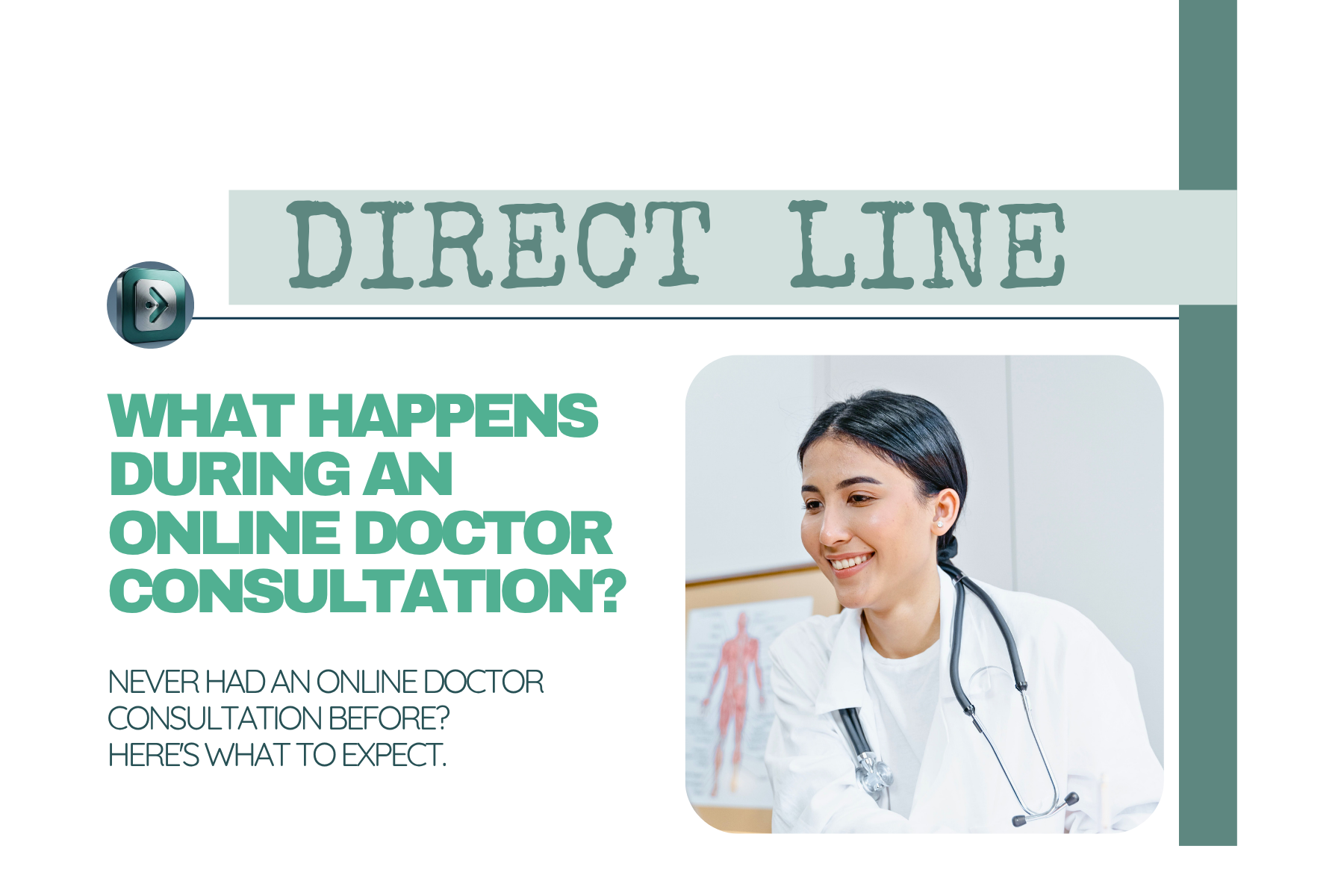
Never had an online doctor consultation before? Here's what to expect.
The idea of speaking to a doctor through your phone can feel a little unfamiliar at first. You might wonder whether the doctor can really help without you sitting in a consulting room, what questions they'll ask, or what happens if you need a prescription or further medical care. The good news is that an online consultation is still a consultation with a qualified doctor. The biggest difference is that instead of travelling to a doctor's office and sitting in a waiting room, you can speak to the doctor remotely using your phone or another supported device.
About doctor
online doctor consultation: What You Need to Know
Here's what you can expect.. First, You Connect With a Doctor. An online consultation usually starts by accessing the healthcare platform and requesting or joining a consultation. With DirectDoc, patients can use the app to access a GP consultation by audio or video. Once connected, you'll be able to speak directly with a qualified doctor about what's bothering you. You don't need to prepare a complicated medical presentation. Simply explain what you're experiencing in your own words.
Just like during an in-person consultation, the doctor will ask questions to understand your symptoms. They may ask when your symptoms started, whether they're getting better or worse, what makes them better or worse, and whether you've experienced anything similar before. Depending on the reason for your consultation, they may also ask about your medications, existing health conditions and other relevant aspects of your health. Don't worry if you aren't sure how to describe something. The doctor can ask follow-up questions to help understand what's happening.
An online consultation allows the doctor to assess the information you provide and, where appropriate, use what can be observed through video. For example, a doctor may be able to assess visible symptoms such as a rash, redness or swelling through video or an image where the platform supports it. However, online healthcare has limitations. A doctor cannot perform every physical examination or test remotely. If your symptoms require an examination, blood test, imaging or another investigation, the doctor may recommend that you visit an appropriate healthcare facility. That doesn't mean the online consultation wasn't useful. It can help determine what your next step should be.
Depending on the doctor's assessment, they may provide advice on managing your symptoms, recommend appropriate treatment or prescribe medication when clinically appropriate. A prescription isn't automatically given simply because you have an online consultation. The doctor makes an independent clinical decision based on the information available and what they believe is appropriate for your situation. If you need a medical certificate, referral or other documentation, this may also be provided when clinically appropriate and in accordance with the doctor's assessment.
Sometimes an online consultation is enough. Sometimes it isn't. If the doctor believes you need an in-person examination or further investigation, they'll explain why and advise you on the appropriate next step. This is one of the important benefits of telehealth. It doesn't have to replace traditional healthcare. Instead, it can provide a convenient middle ground between searching for answers online and travelling to a medical practice when you aren't sure what you need.
An online consultation isn't designed to replace emergency medical care. If you're experiencing a medical emergency or severe symptoms that require immediate attention, seek emergency medical assistance rather than waiting for an online consultation.
Your healthcare information should be treated as confidential, just as it would be during an in-person medical consultation. It's a good idea to take your consultation somewhere private where you feel comfortable discussing your symptoms openly. Using a reliable internet connection and making sure your phone is charged can also make the consultation easier.
You don't need to spend hours preparing, but having a few basic details available can make the consultation smoother. Think about when your symptoms started and whether they've changed. It can also help to have a list of any medication you're currently taking and information about relevant health conditions. Most importantly, be honest with your doctor. Even details that seem small or embarrassing may help them understand the bigger picture.
For many everyday health concerns, an online consultation can be a convenient way to speak to a doctor without travelling to a practice or spending time in a waiting room. It's particularly useful when you're at home, at work, studying or travelling and need medical advice but aren't sure whether you need to visit a healthcare facility. The goal isn't to make every healthcare problem an online problem. It's about making appropriate healthcare easier to access when and where you need it.
Access Care Anywhere with DirectDoc. Healthcare doesn't always happen when you're sitting in a doctor's waiting room.
Sometimes you need advice from home. Sometimes you're at work, travelling or simply don't have the time to spend hours getting to a practice. With DirectDoc, you can consult a qualified GP through audio or video from wherever you are, when an online consultation is appropriate for your needs. No complicated process. No unnecessary waiting room. Just healthcare that fits into real life.
Access Care Anywhere. Download DirectDoc South Africa and make healthcare easier to reach, wherever you are.
DirectDoc makes it easier to speak with a doctor from home. Book an online consultation today.
Book an online consultation