
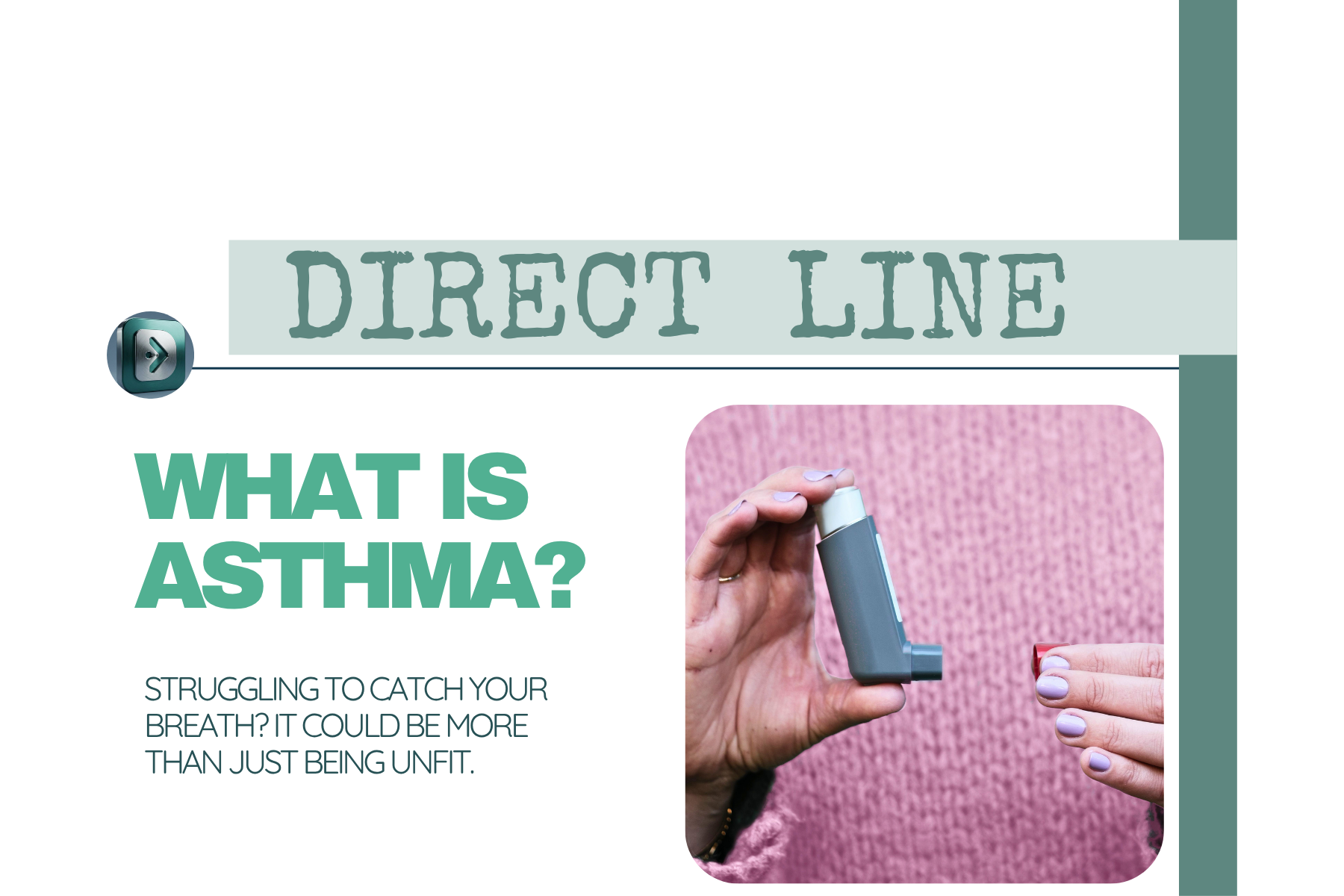
Struggling to catch your breath? It could be more than just being unfit.
You're climbing a flight of stairs when suddenly your chest feels tight. Breathing becomes harder, you start wheezing, and a persistent cough follows. Maybe it only happens when you exercise, during winter, or when your allergies flare up. Whatever the trigger, struggling to breathe can be frightening. If you've experienced these symptoms, asthma could be the cause.
About asthma
Asthma is one of the most common long-term lung conditions, affecting both children and adults. Although there is no cure, most people with asthma can live full, active lives with the right treatment and by learning how to manage their triggers.
Asthma is a chronic condition that affects the airways in your lungs. These airways carry air in and out every time you breathe. In people with asthma, the airways become inflamed and overly sensitive to certain triggers. When asthma flares up, the muscles surrounding the airways tighten, the lining of the airways swells and extra mucus is produced. This combination narrows the airways, making it harder for air to move freely in and out of the lungs.
Imagine trying to breathe through a straw. As the airway becomes narrower, breathing requires more effort, which explains why asthma can cause wheezing, coughing and shortness of breath.
The exact cause of asthma isn't fully understood, but it is believed to result from a combination of genetic and environmental factors. People with a family history of asthma, eczema or allergies are more likely to develop the condition.
Asthma symptoms are often triggered by everyday exposures. Common triggers include pollen, dust mites, pet dander, mould, cigarette smoke, air pollution, cold air, respiratory infections and exercise. Strong perfumes, cleaning products and emotional stress may also trigger symptoms in some people.
Every person with asthma has different triggers, which is why recognising your own patterns is an important part of managing the condition.
Asthma symptoms can range from mild to severe and may come and go over time. The most common symptom is shortness of breath, particularly during physical activity or at night. Many people also experience wheezing, which is a whistling sound when breathing, along with a tight feeling in the chest. A persistent cough, especially at night or early in the morning, is another common sign of asthma. Some people only experience symptoms occasionally, while others have frequent flare-ups that interfere with daily activities. During an asthma attack, breathing may become increasingly difficult and requires prompt medical attention.
Although asthma cannot currently be cured, it can usually be managed very effectively with the right treatment.
Most people with asthma use inhalers that deliver medication directly into the lungs. A reliever inhaler helps quickly open the airways during an asthma flare-up, while a preventer inhaler reduces inflammation over time and helps prevent symptoms from developing. Your doctor may also recommend avoiding known triggers, treating allergies if they are contributing to your asthma and creating a personalised asthma action plan so you know what to do if symptoms worsen. Using your inhaler correctly is just as important as having the right medication. Poor inhaler technique can reduce the amount of medicine reaching your lungs, making treatment less effective.
While asthma itself cannot always be prevented, many flare-ups can be avoided by managing triggers and following your prescribed treatment plan. Avoiding cigarette smoke, reducing exposure to allergens where possible, staying physically active within your limits and keeping respiratory infections under control can all help reduce asthma symptoms. Regular medical reviews are also important to ensure your treatment continues to meet your needs as your condition changes over time.
If you regularly experience coughing, wheezing, chest tightness or shortness of breath, it's important to arrange a medical assessment. Early diagnosis can help prevent symptoms from worsening and improve your quality of life. You should seek urgent medical attention if you're struggling to breathe, your reliever inhaler isn't helping, you find it difficult to speak because of breathlessness, your lips or fingertips turn blue or your symptoms rapidly become worse. These could be signs of a severe asthma attack that requires immediate treatment.
Many people ask whether asthma can develop in adulthood. The answer is yes. Although asthma often begins during childhood, it can develop at any age. Another common question is whether exercise is safe for people with asthma. In most cases, the answer is yes. With good asthma control and the right treatment, regular exercise is encouraged and offers many health benefits. Your doctor can advise you on how to exercise safely if physical activity triggers your symptoms.
People also often wonder whether asthma is contagious. Asthma cannot be passed from one person to another. However, viral infections such as the common cold can trigger asthma flare-ups in people who already have the condition.
Breathe Easier with DirectDoc. Living with ongoing coughing, wheezing or shortness of breath doesn't have to become your normal. A qualified GP can assess your symptoms, help diagnose asthma and develop a treatment plan that helps you breathe with confidence.
With DirectDoc, you can consult a licensed doctor from the comfort of your home, office, university or while travelling. There's no need to spend hours in a waiting room when expert healthcare is only a few taps away.
Access care anywhere. Download DirectDoc today and take control of your breathing with trusted medical care, wherever you are.
DirectDoc makes it easier to speak with a doctor from home. Book an online consultation today.
Book an online consultation