

WHAT IS HIGH BLOOD PRESSURE?
HIGH BLOOD PRESSURE CAUSES EXPLAINED.
Most people cannot feel their blood pressure rising.
There is no loud warning siren.
No flashing light.
No dramatic signal from the body demanding immediate attention.
High Blood pressure; For many, high blood develops quietly, like water slowly wearing down stone., causing damage over years before symptoms ever appear. That is why hypertension is often called the ‘silent killer.’ Yet, it is one of the most common health conditions affecting adults worldwide.
What exactly is blood pressure you might be wondering to yourself, while reading this. Blood pressure is the force of blood pushing against the walls of your arteries as the heart pumps.
Think of your arteries like a system of garden hoses carrying blood throughout the body. If the pressure within those hoses becomes too high for too long, damage starts to occur. Damage in the form of: the vessel walls weakening, the heart having to work harder, and important organs coming under strain. Healthy blood pressure, therefore helps oxygen and nutrients move efficiently through the body. High blood pressure, therefore means that pressure is consistently higher than it should be.
Blood pressure readings are written as two numbers for example: 120/80.
The first number, systolic pressure, measures pressure when the heart beats.
The second number, diastolic pressure, measures the pressure when the heart relaxes between beats. A normal blood pressure reading is around 120/80. Persistent, elevated readings may indicate hypertension. Your healthcare provider will assess readings over time rather than relying on a single measurement.
High blood pressure is dangerous as it forces the heart and blood vessels to work harder every day. Over time it increases the risk of: heart attacks, strokes, kidney disease, heart failure, vision problems, or blood vessel damage. A person may feel perfectly fine, while damage slowly accumulates beneath the surface. There is not always one single cause. Often, hypertension develops through a combination of: lifestyle, genetics, and health factors.
Stress and chronic tension have its role to play as the body is designed to handle short bursts of stress. Modern life however tends to keep people trapped in ‘survival mode.’ Days filled with: constant deadlines, financial pressure, emotional strain, poor sleep, or ongoing anxiety. Over time, chronic stress can contribute to persistently raised blood pressure. The body itself was never made to remain in a state of emergency daily.
Excess salt in the diet of an individual causes the body to retain more fluid; increasing pressure inside blood vessels. Large amounts of hidden salt get consumed through: processed foods, takeaways, sauces, chips, instant meals, and packaged snacks.
Extra body weight means that the heart has to work harder in order to circulate blood. The increased strain on the cardiovascular system, significantly raises the risk of hypertension. Even modest weight loss can positively affect blood pressure levels.
The heart in itself is a muscle. Regular movement, therefore helps it to work more efficiently. A sedentary lifestyle can contribute to: weight gain, poor circulation, higher blood pressure, and increased cardiovascular risk. The body needs to move; it was not designed to remain still permanently.
Smoking impacts blood vessels by damaging them, and raises cardiovascular risk dramatically because of this. Excessive intake of alcohol can also contribute to elevated blood pressure over time. Together these place strain on the heart and arteries.
Sometimes hypertension runs strongly in families. If a parent or close relative has high blood pressure, your risk then becomes higher. Genetics is therefore like a loaded gun, but lifestyle often pulls the trigger.
Other conditions such as: kidney disease, diabetes, sleep apnoea, and hormonal disorders can contribute to hypertension. There are some medications that may also affect blood pressure levels.
Having high blood pressure does not cause symptoms. Many people often discover that they have hypertension only during: routine check-ups, insurance exams, pregnancy visits, or unrelated doctor consultations. In more severe cases however, symptoms may present in the form of: headaches, dizziness, blurred vision, chest pain, or shortness of breath. Waiting for symptoms is risky and note that high blood pressure can exist silently for years.
Healthy lifestyle changes can have a significant effect on your blood pressure. Helpful steps would be to: reduce salt intake, exercise regularly, manage stress, sleep well, maintain a healthy weight, stop smoking, limit alcohol, and follow prescribed treatment plans. For some individuals, medication may be necessary too. In order to manage blood pressure, it requires consistency, it is not about perfection. By checking your blood pressure regularly helps as a preventative method. Sometimes prevention begins with something as small as a cuff around the arm.
If you are concerned about your blood pressure, symptoms, or overall heart health, DirectDoc, offers convenient online healthcare support in South Africa. Or healthcare professionals can assist with: blood pressure guidance, general health outcomes, lifestyle choice, chronic condition discussions, and medical support from home. Understanding your health today may protect your future tomorrow.
CAUSES EXPLAINED ..
Most people cannot feel their blood pressure rising.
There is no loud warning siren.
No flashing light.
No dramatic signal from the body demanding immediate attention.
For many, high blood pressure develops quietly, like water slowly wearing down stone., causing damage over years before symptoms ever appear. That is why hypertension is often called the ‘silent killer.’ Yet, it is one of the most common health conditions affecting adults worldwide.
What exactly is blood pressure you might be wondering to yourself, while reading this. Blood pressure is the force of blood pushing against the walls of your arteries as the heart pumps.
Think of your arteries like a system of garden hoses carrying blood throughout the body. If the pressure within those hoses becomes too high for too long, damage starts to occur. Damage in the form of: the vessel walls weakening, the heart having to work harder, and important organs coming under strain. Healthy blood pressure, therefore helps oxygen and nutrients move efficiently through the body. High blood pressure, therefore means that pressure is consistently higher than it should be.
Blood pressure readings are written as two numbers for example: 120/80.
The first number, systolic pressure, measures pressure when the heart beats.
The second number, diastolic pressure, measures the pressure when the heart relaxes between beats. A normal blood pressure reading is around 120/80. Persistent, elevated readings may indicate hypertension. Your healthcare provider will assess readings over time rather than relying on a single measurement.
High blood pressure is dangerous as it forces the heart and blood vessels to work harder every day. Over time it increases the risk of: heart attacks, strokes, kidney disease, heart failure, vision problems, or blood vessel damage. A person may feel perfectly fine, while damage slowly accumulates beneath the surface. There is not always one single cause. Often, hypertension develops through a combination of: lifestyle, genetics, and health factors.
Stress and chronic tension have its role to play as the body is designed to handle short bursts of stress. Modern life however tends to keep people trapped in ‘survival mode.’ Days filled with: constant deadlines, financial pressure, emotional strain, poor sleep, or ongoing anxiety. Over time, chronic stress can contribute to persistently raised blood pressure. The body itself was never made to remain in a state of emergency daily.
Excess salt in the diet of an individual causes the body to retain more fluid; increasing pressure inside blood vessels. Large amounts of hidden salt get consumed through: processed foods, takeaways, sauces, chips, instant meals, and packaged snacks.
Extra body weight means that the heart has to work harder in order to circulate blood. The increased strain on the cardiovascular system, significantly raises the risk of hypertension. Even modest weight loss can positively affect blood pressure levels.
The heart in itself is a muscle. Regular movement, therefore helps it to work more efficiently. A sedentary lifestyle can contribute to: weight gain, poor circulation, higher blood pressure, and increased cardiovascular risk. The body needs to move; it was not designed to remain still permanently.
Smoking impacts blood vessels by damaging them, and raises cardiovascular risk dramatically because of this. Excessive intake of alcohol can also contribute to elevated blood pressure over time. Together these place strain on the heart and arteries.
Sometimes hypertension runs strongly in families. If a parent or close relative has high blood pressure, your risk then becomes higher. Genetics is therefore like a loaded gun, but lifestyle often pulls the trigger.
Other conditions such as: kidney disease, diabetes, sleep apnoea, and hormonal disorders can contribute to hypertension. There are some medications that may also affect blood pressure levels.
Having high blood pressure does not cause symptoms. Many people often discover that they have hypertension only during: routine check-ups, insurance exams, pregnancy visits, or unrelated doctor consultations. In more severe cases however, symptoms may present in the form of: headaches, dizziness, blurred vision, chest pain, or shortness of breath. Waiting for symptoms is risky and note that high blood pressure can exist silently for years.
Healthy lifestyle changes can have a significant effect on your blood pressure. Helpful steps would be to: reduce salt intake, exercise regularly, manage stress, sleep well, maintain a healthy weight, stop smoking, limit alcohol, and follow prescribed treatment plans. For some individuals, medication may be necessary too. In order to manage blood pressure, it requires consistency, it is not about perfection. By checking your blood pressure regularly helps as a preventative method. Sometimes prevention begins with something as small as a cuff around the arm.
If you are concerned about your blood pressure, symptoms, or overall heart health, DirectDoc, offers convenient online healthcare support in South Africa. Or healthcare professionals can assist with: blood pressure guidance, general health outcomes, lifestyle choice, chronic condition discussions, and medical support from home. Understanding your health today may protect your future tomorrow.
DirectDoc Health Blogs
DIRECT LINE
Medical & Health Blogs


WHY AM i getting headaches so often?
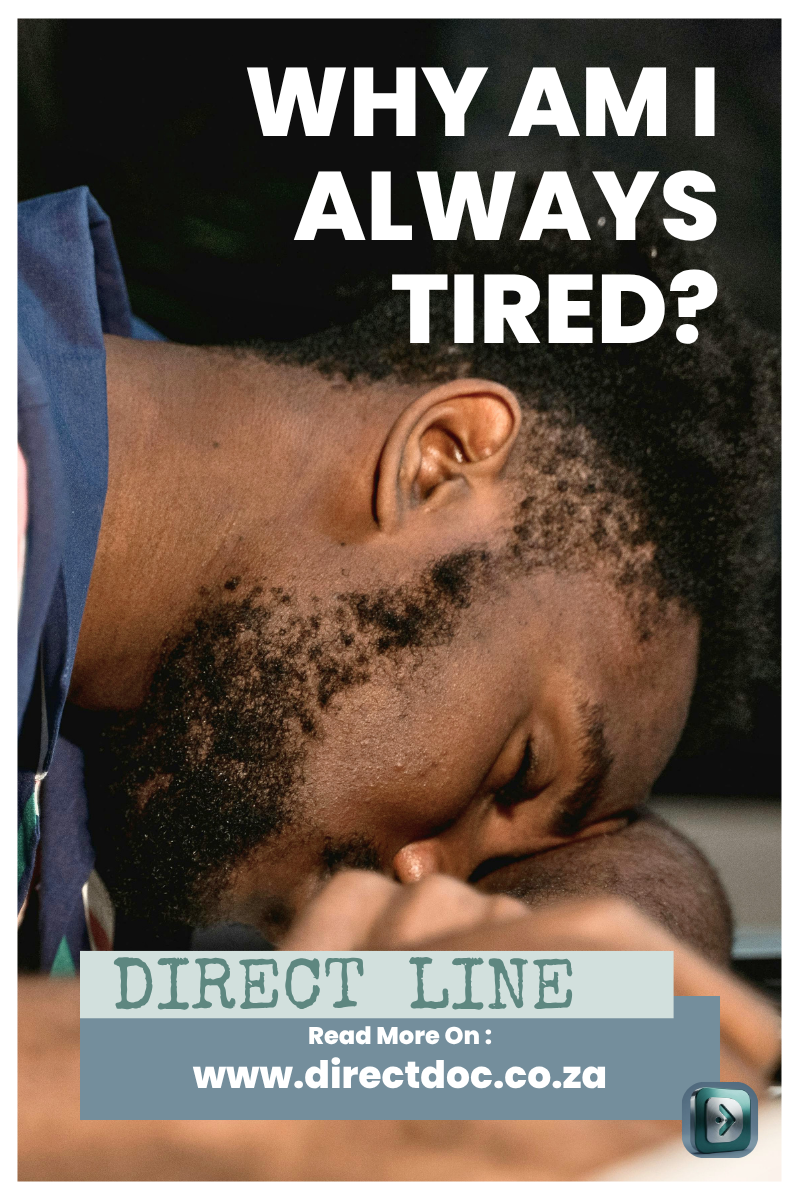
WHY AM i ALWAYS TIRED?
Direct Line Health Blogs
Your body is always communicating.
We help you understand what it’s saying.

What many people don’t realise could be tuberculosis.
TB : symptoms you might ignore
(but shouldn’t)

YOUR GUT MIGHT BE RUNNING THE SHOW

GLAUCOMA:
THE SILENT THIEF
WHAT YOU MIGHT NOT NOTICE UNTIL IT MATTERS

Welcome to the future
Your Doctor in
Your Hands
How Online Doctor Consults Works

Download The DirectDoc Online Doctors App
Login and Book An Appointment
A Doctor will Call You.


Revolutionizing Primary Healthcare

Your Health and Your Family wellbeing is our priority

Unlock A World of Easy Healthcare and Doctor Consultations

Free Chat Support
Get instant answers from qualified allied health professionals at no cost.

Virtual Doctor Consultations

Virtual Allied Health Professionals Consultations

Home Blood Work
Request blood tests from the comfort of your home. No more travelling to labs.

Access Local Pharmacy
Direct and efficient scripting to local pharmacies with medication delivery to your door.

Pill Tracker
Keep track of your chronic medication with reminders and schedules to never miss a dose.

Extensive Primary Health Professionals Platform
Access GP Doctors, Psychologists, Dieticians, Counsellors, Nurses, Physiotherapists, Occupational Therapists, and more.

Consultations in Real Time

Direct Line Health Blogs
Your body is always communicating.
We help you understand what it’s saying.
Quick Health Blogs Links
- WHY AM i getting headaches so often?
- WHY AM i ALWAYS TIRED?
- What many people don’t realise could be tuberculosis.
- YOUR GUT MIGHT BE RUNNING THE SHOW
GLAUCOMA:
THE SILENT THIEF