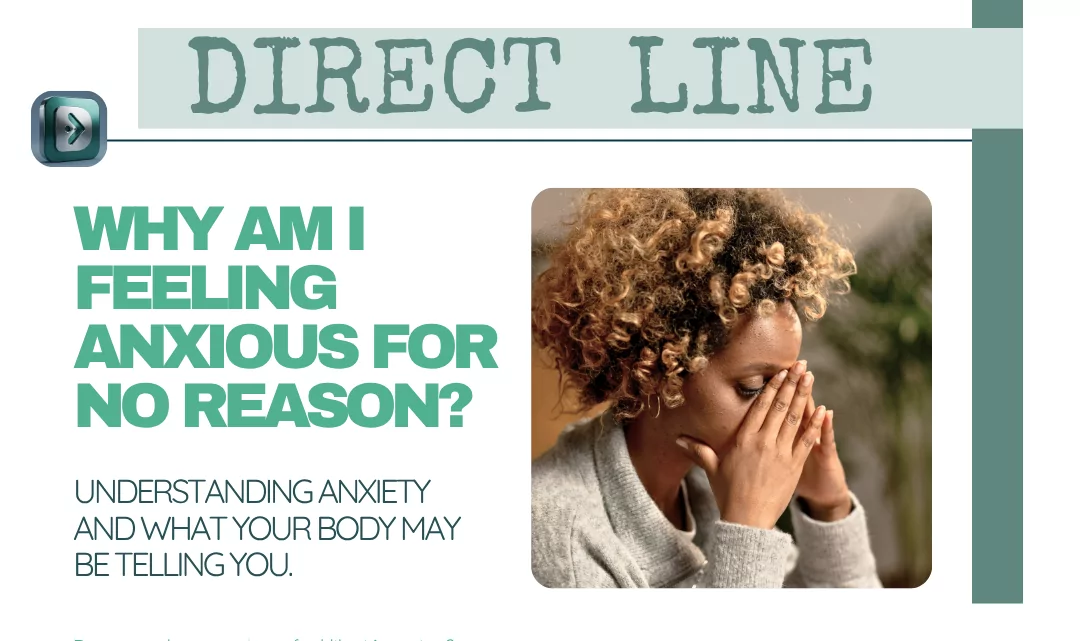
Does your heart at times feel like it's racing? Does your chest feel tight? Does your mind tend to jump from one worry to the next — and yet nothing obvious is wrong? Many describe feeling anxious "for no reason", but anxiety usually has a reason, even if it isn't immediately clear.
Before your mind can comprehend it, your body is already responding to the stress. Anxiety is common, treatable, and important to understand.
What is anxiety exactly?
Anxiety is your body's natural response to stress, or a perceived threat. It can assist in keeping us alert during dangerous situations. When anxiety happens often however, it can feel overwhelming, or even appear without a clear trigger, and it can start affecting your life.
Common symptoms of anxiety
Anxiety can manifest in many ways. Some of the common symptoms include:
- Racing thoughts and feeling on edge
- Restlessness and irritability
- Fast heartbeat or palpitations
- Sweating
- Tight chest or shortness of breath
- Nausea or digestive discomfort
- Difficulty concentrating
- Trouble sleeping
It may feel like you have a problem with your heart, when it may actually be anxiety symptoms. This is why it is important to have a doctor rule out medical causes.
Why does anxiety seem to happen "for no reason"?
There are several reasons why anxiety can appear without an obvious trigger:
- Chronic stress: Work pressure, money concerns, family responsibilities, or emotional strain can build quietly over time and become chronic stress.
- Lack of sleep: Poor sleep heightens stress hormones, which inadvertently make anxiety worse.
- Caffeine and stimulants: Extra caffeine from energy drinks, coffee, or stimulants may trigger jitters and panic-like feelings.
- Medical issues: Conditions like hyperthyroidism, hypoglycaemia, and anaemia are able to mimic or worsen anxiety.
- Unprocessed emotions: Grief, trauma, burnout, or long-term pressure can surface as physical anxiety.
- Anxiety disorders: Persistent symptoms may relate to conditions such as Generalized Anxiety Disorder or Panic Disorder.
What you can do right now
There are practical steps you can take in the moment and in your daily routine to help manage anxiety:
- Slow your breathing: Try to inhale slower and then exhale longer than you inhale. This activates your body's calming response.
- Reduce stimulants: Limit caffeine and energy drinks if you find that symptoms worsen after using them.
- Improve sleep: Reducing screen time before bed and establishing a wind-down routine can help you sleep better.
- Move your body: Walking, stretching, or exercise can reduce stress hormones and boost your mood.
- Talk about it: Sharing how you feel with someone trusted, or a professional, can be powerful.
Notice the patterns
Tracking when anxiety happens can help you and your doctor understand what might be driving it. Take note of:
- Time of day when anxiety tends to occur
- Food and caffeine intake
- Stress levels at work or home
- Sleep quality the night before
- Specific situations or triggers
Seeking medical advice is recommended if anxiety: happens frequently, causes panic attacks, affects work or relationships, disrupts sleep, causes chest pain or severe physical symptoms, or feels unmanageable. A doctor can help rule out medical causes and discuss treatment options.
Getting support through telehealth
If leaving home feels difficult or life is busy, telehealth can make getting support easier. An online doctor consultation can help assess symptoms, discuss treatment, and guide next steps privately and conveniently.
Please remember that feeling anxious does not mean that you are weak, dramatic, or failing. It often means that your system is overloaded and needs support. Anxiety usually indicates strain, and understanding is the first step to managing.
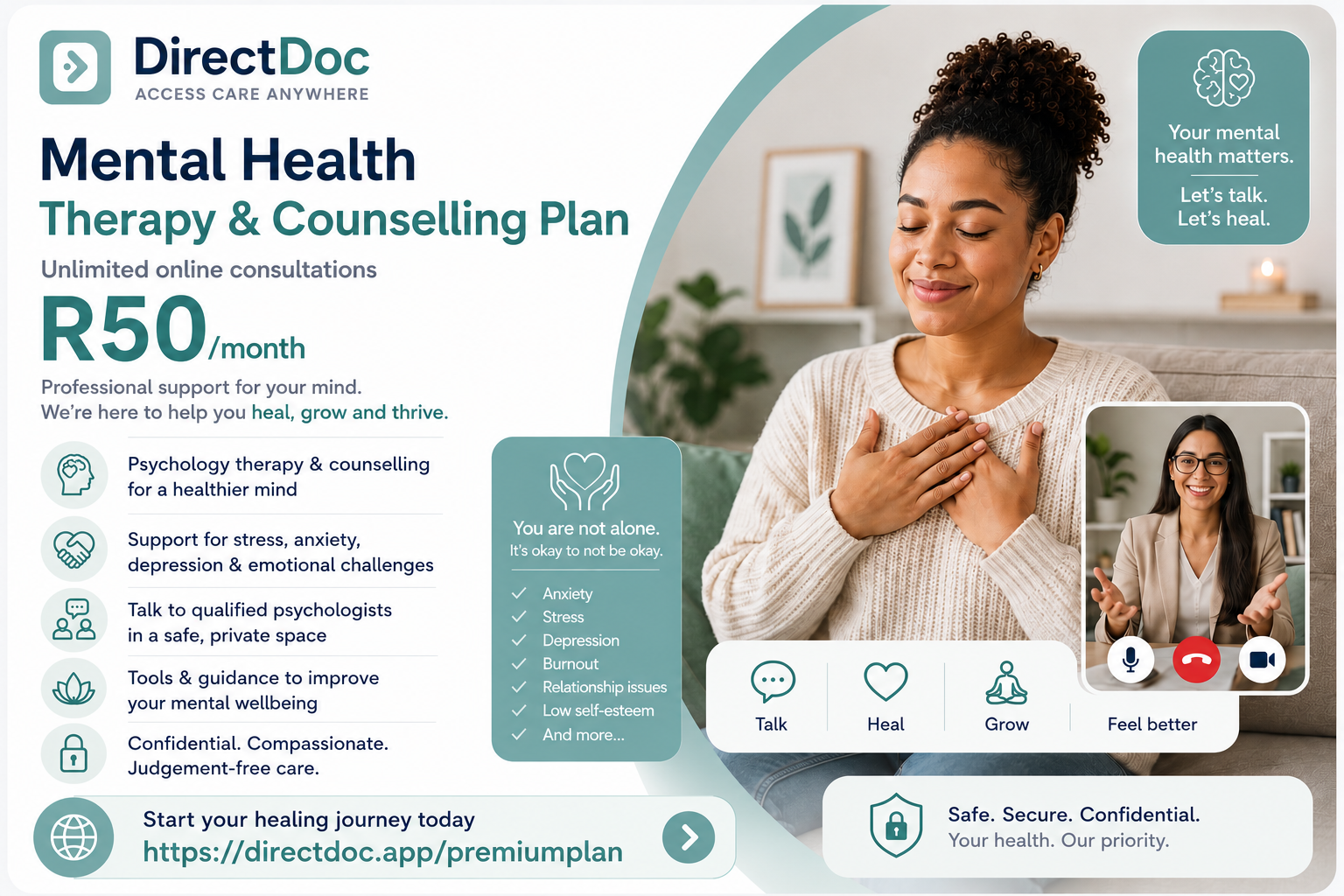
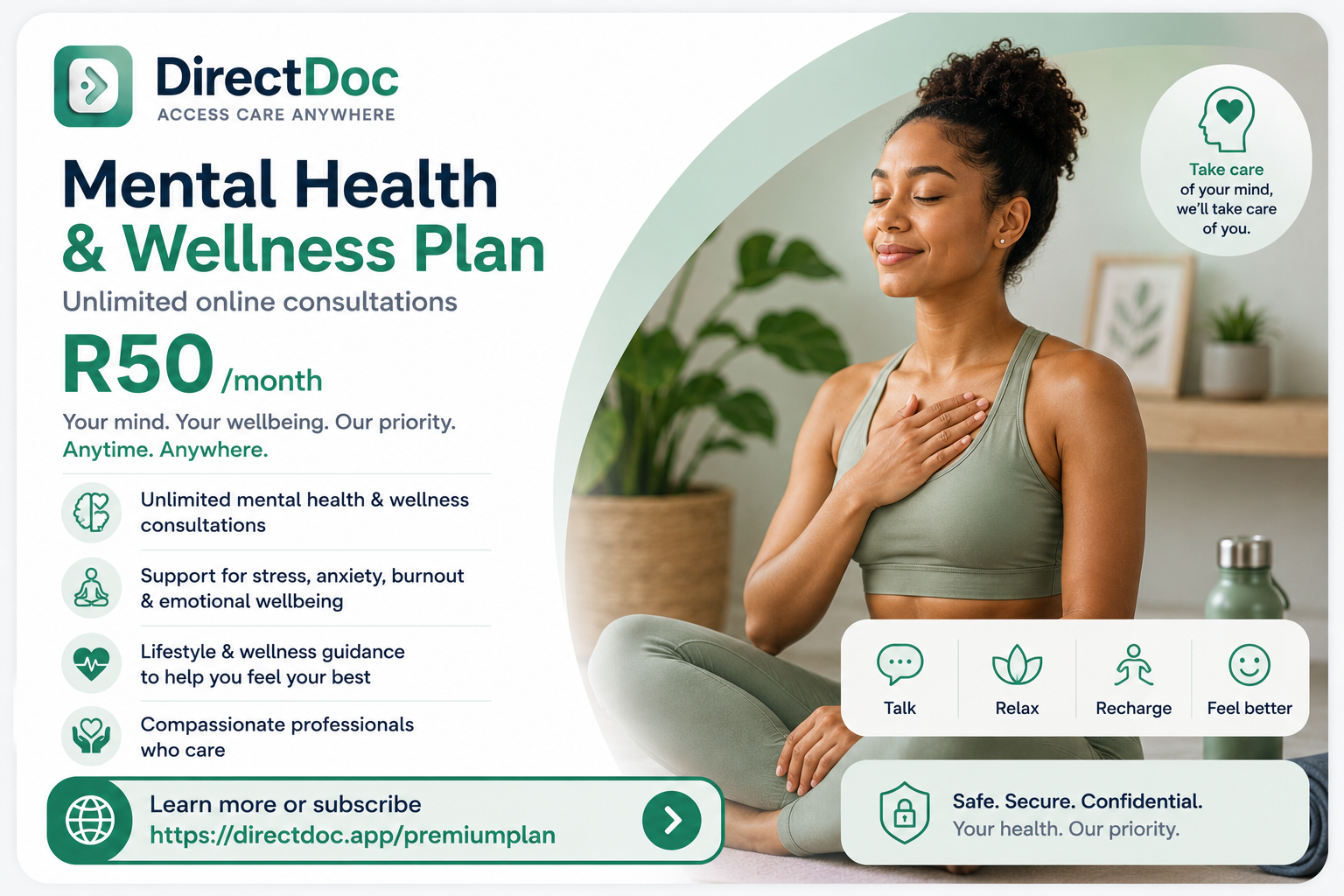
If anxiety is affecting your day-to-day functioning, speak to a qualified online doctor from home. DirectDoc offers mental health and wellness consultations — simply chat to a professional from the comfort of your home.
Book an online consultationUnderstanding anxiety is the first step. Taking action is the next. You don't have to face it alone — help is available, and it starts with a conversation.