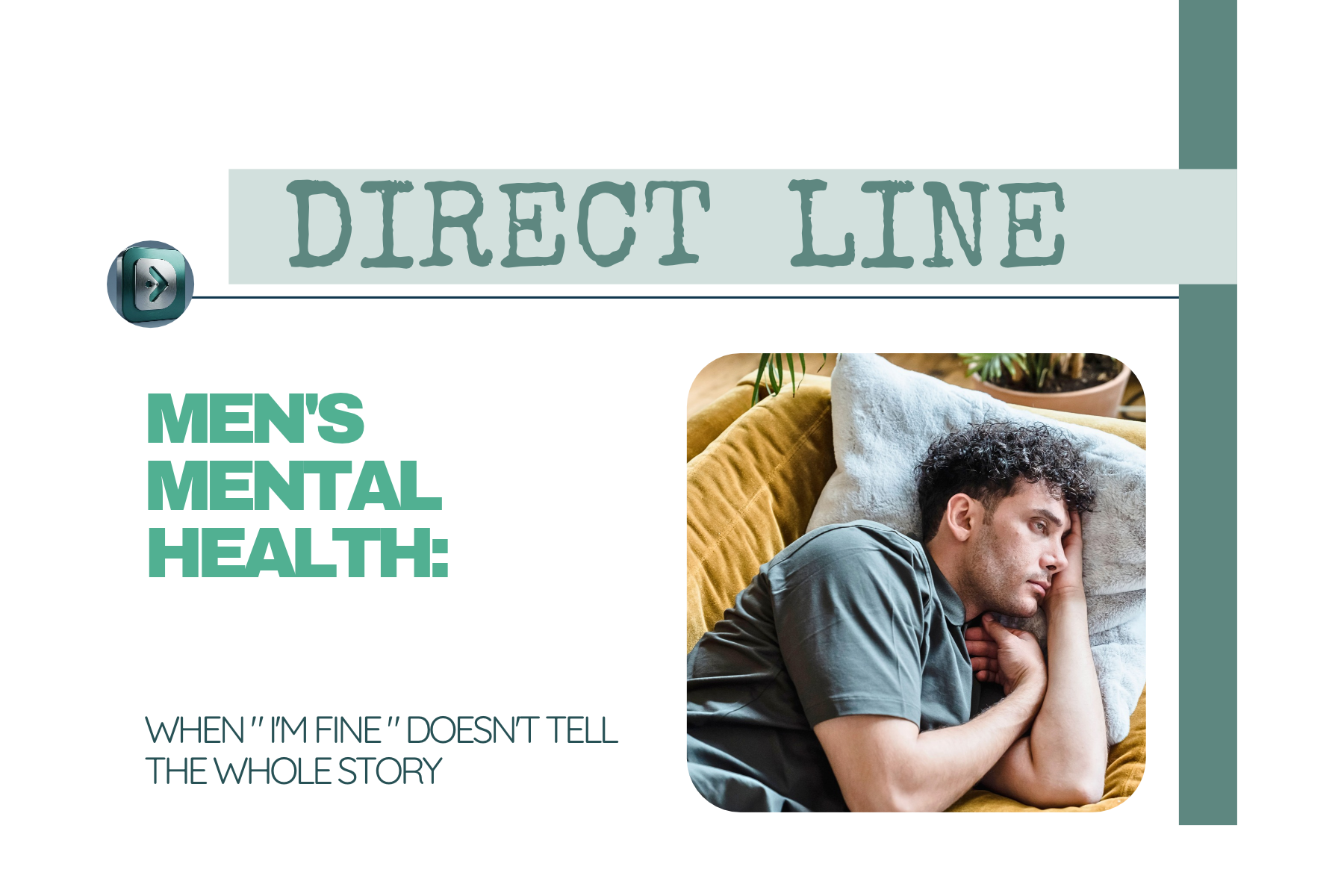
When " I'm Fine " Doesn't Tell the Whole Story
Sometimes, the heaviest things a man carries are the things nobody can see.
About health
men's mental health: What You Need to Know
"How are you?"
"I'm fine."
It's a familiar exchange. You might say it at work, to friends or even to the people closest to you. And sometimes, you genuinely are fine.
But other times, those two words are a convenient way to close a conversation you don't know how to have.
Perhaps you're constantly irritated, struggling to sleep or finding it harder to enjoy the things you used to love. Maybe your mind feels like a browser with fifty tabs open, and you can't seem to close any of them. Stress and difficult emotions are part of life, but when they become constant companions, they deserve attention. Let's talk about men's mental health, what emotional strain can look like and how to recognise when you may need support.
Think of your mental health as the operating system running in the background of your life. It affects how you think, feel, respond to challenges and connect with other people. When you're under pressure, that system can become overloaded. You might still get up, go to work, pay the bills and fulfil your responsibilities, but everything can start taking more effort than usual. Mental health difficulties don't always look like sadness. Sometimes they appear as anger, withdrawal, constant worrying or feeling emotionally numb. You don't have to reach a breaking point before your mental health deserves attention.
Many men grow up hearing messages about being strong, providing for others, solving problems and keeping their emotions under control. These qualities can be valuable. But when strength becomes something you feel you must prove by never admitting you're struggling, asking for help can start to feel like failure. It isn't. Talking about your mental health doesn't make you less capable, less dependable or less of a man. It means you're recognising that you have needs, too. You wouldn't expect a car to keep running indefinitely without maintenance. Your mind and body also need care, especially when life becomes demanding.
Everyone experiences emotional difficulties differently, but some changes are worth paying attention to. You might notice that you're becoming more irritable or losing your patience over small things. Perhaps you're withdrawing from family and friends, avoiding conversations or preferring to spend more time alone than usual. You may struggle to concentrate, wake up repeatedly during the night or feel exhausted despite getting enough sleep. Activities that once helped you relax might no longer bring the same enjoyment.
Some men also notice changes in appetite, motivation, sexual interest or their use of alcohol and other substances. These signs don't automatically mean you have a mental health condition. Physical health problems and stressful circumstances can cause similar changes. But if they persist or begin affecting your everyday life, it's worth speaking to a healthcare professional.
Is it stress, anxiety or depression? These experiences can overlap, but they aren't exactly the same. Stress is often a response to pressure, such as work deadlines, financial concerns or family responsibilities. It may improve when the pressure eases, although prolonged stress can affect your health. Anxiety can feel like your mind is constantly preparing for something to go wrong. You might worry excessively, feel restless, struggle to relax or experience physical symptoms such as a racing heart. Depression is more than having a bad day. It can involve persistent low mood, losing interest in activities, feeling hopeless or experiencing changes in sleep, appetite and energy. Some people experience irritability rather than obvious sadness. Only a qualified healthcare professional can assess your symptoms and help determine what may be happening. You don't need to work out the correct label before asking for help.
You don't have to change your entire life in one day. Start with small steps that give you a little breathing room. Try talking honestly with someone you trust instead of automatically saying you're fine. You don't need a perfect explanation. Even saying, "I've been struggling lately, and I don't really know why," can open the door to a useful conversation. Make room for regular movement, balanced meals and enough sleep. A walk, a hobby or a short break from work may help you manage everyday stress, although these steps are not a replacement for treatment when you need it. Pay attention to habits that might be making things worse. Using alcohol to switch off, for example, can interfere with sleep and may intensify anxiety or low mood. If your symptoms are continuing, consider speaking to a doctor or mental health professional. Support may include counselling, psychological therapy, medical treatment or a combination suited to your circumstances.
If you're concerned about a partner, friend, brother, father or colleague, a simple conversation can matter. Choose a suitable moment and ask how he's really doing. Listen without immediately trying to fix everything, and avoid dismissing his feelings with phrases such as "just get over it" or "other people have it worse". You can encourage him to seek professional support while respecting his choices. If he seems overwhelmed, offering to help him arrange an appointment may make taking that first step feel easier. If someone talks about suicide or says they don't want to live, take it seriously. If there is immediate danger, contact emergency services and help the person get urgent support.
If there are changes in your mood, sleep, behaviour or motivation persist for a couple of weeks, worsen or interfere with your relationships and everyday responsibilities, consider seeking professional advice sooner rather than later. You should seek help urgently if you feel unable to keep yourself safe or are thinking about harming yourself. You do not need to wait until you have all the answers before asking for support. Being strong includes knowing when to reach out. You can be a good father, partner, friend, employee or provider and still have days when you struggle. You can be the person everyone relies on and still need someone to lean on yourself.
Mental health isn't a weakness to hide or a problem you must solve alone. Sometimes, the first step towards feeling better is simply being honest about how you're doing. At DirectDoc, you can connect with a qualified online doctor in South Africa to discuss stress, anxiety, low mood or other concerns about your wellbeing. A doctor can help you understand possible next steps and whether additional mental health support may be useful. You don't have to carry everything quietly.
DirectDoc, Access Care Anywhere.
This article is for general information and does not replace individual medical or mental health care.
DirectDoc makes it easier to speak with a doctor from home. Book an online consultation today.
Book an online consultation