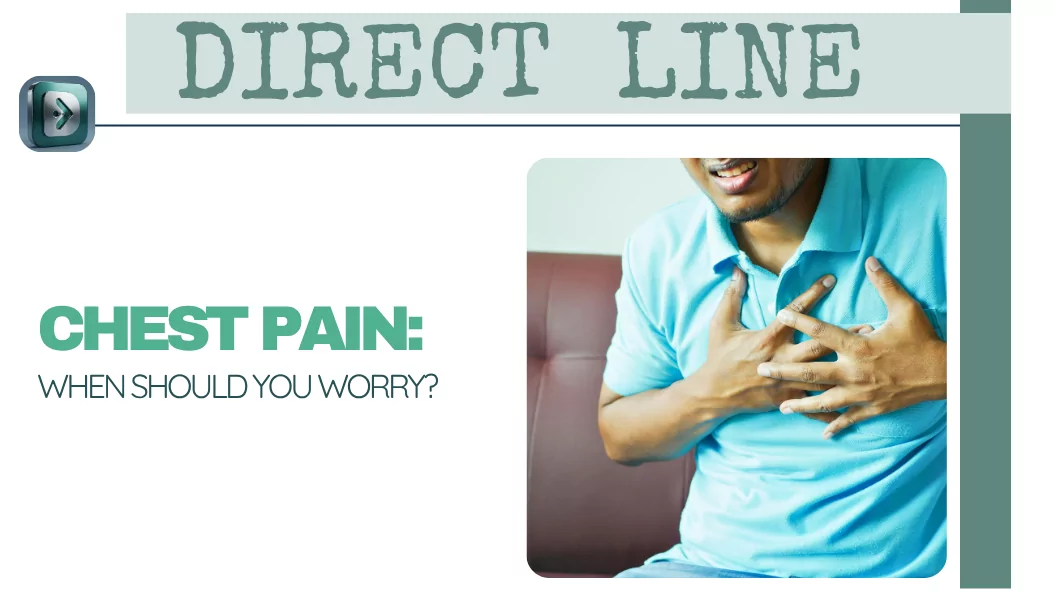
Chest pain has a way of stopping people in their tracks. Sometimes it arrives like a lightning strike: sudden, sharp, impossible to ignore. Other times it whispers quietly in the background: a pressure, a discomfort, a strange tightness people try to explain away.
“It’s probably stress.”
“Maybe indigestion.”
“I must have slept funny.”
Sometimes they are right.
But chest pain is one symptom the body should never be forced to repeat itself over and over before we listen.
Not all chest pain means a heart attack
One of the biggest misconceptions is that every chest pain equals a heart attack. Chest pain can be caused by various reasons like: acid reflux, muscle strain, anxiety or panic attacks, lung infections, rib inflammation, asthma, stress-related tension, and heart conditions. Some causes are mild, and others serious. The challenge is knowing when your body may be signalling danger.
What dangerous chest pain feels like
Dangerous chest pain does not always resemble how movies depict it. It may feel like: pressure or heaviness, tightness in the chest, burning discomfort, crushing pain, a squeezing sensation, or pain spreading to the jaw, neck, shoulder, arm, or back.
People have described it as ‘an elephant sitting on their chest,’ while others would admit that something wasn’t feeling right. Your quiet instinct matters more than you may realise.
Your chest pain comes with shortness of breath, sweating, nausea or vomiting, dizziness or fainting, pain spreading to your arm or jaw, sudden weakness, blue lips or difficulty breathing, rapid or irregular heartbeat, or severe pressure lasting more than a few minutes. These symptoms might constitute a medical emergency.
Chest pain in women can present differently
The ‘crushing chest pain’ is not always experienced by women. Their symptoms may include: extreme fatigue, nausea, upper back pain, jaw pain, breathlessness, mild chest discomfort, or dizziness. These symptoms at times can be dismissed as stress, exhaustion, or anxiety.
This is why it is so important not to self-diagnose. If something does not feel right, seeking medical advice early is always the safer choice.
Anxiety and panic attacks can cause chest pain
Anxiety and panic attacks can absolutely cause chest pain. Here people may experience: tightness, rapid heartbeat, tingling, hyperventilation, or chest pressure. The problem is that anxiety-related chest pain and heart-related chest pain can sometimes feel very similar. That is why recurring, severe, or unexplained chest pain should never simply be self-diagnosed.
Chest pain during or after exercise
Experiencing mild muscle soreness after exercise can be normal. Chest pain however during or after activity may need an evaluation especially if it: occurs repeatedly, comes with breathlessness, causes dizziness, improves with rest, or feels like pressure or tightness. When the body is under strain the heart will usually complain.
Less serious causes of chest discomfort
Some chest discomfort may be linked to: muscle strain, heartburn, coughing illness, poor posture, or stress tension. Pain that worsens when pressing on the chest wall, or moving certain muscles is often less likely to be heart-related. Persistent or unexplained pain should always be assessed professionally.
Don’t wait too long
One of the most dangerous mistakes people make is waiting too long. Some end up delaying because they: feel embarrassment, they think they are overreacting, they hope it will pass, they are ‘too busy’, or they do not want to inconvenience anyone. However, when it comes to chest pain, time matters, and minutes can change outcomes.
Call emergency services immediately if: the pain is severe, breathing is difficult, symptoms are worsening, there is a collapse or fainting, or heart attack symptoms are suspected.
Do seek medical advice if: pain keeps returning, symptoms are unexplained, or you have risk factors like high blood pressure, diabetes, high cholesterol, or a family history of heart disease.
Your body sends warning signs
Your body is remarkably patient. It usually sends signs like: fatigue, discomfort, tightness, breathlessness, or small warnings that many push aside. Chest pain is not always serious, but it is never something to casually ignore. Caution saves lives.
DirectDoc allows you to contact a doctor from your home and offers convenient online support in South Africa. Our healthcare professionals can assist with symptom discussions, medical guidance, general health concerns, or advice when urgent care may be needed.
Book an online consultationPeace of mind matters and sometimes asking early is the safest decision of all. If you are experiencing concerning symptoms, do not hesitate to speak to a healthcare professional today.