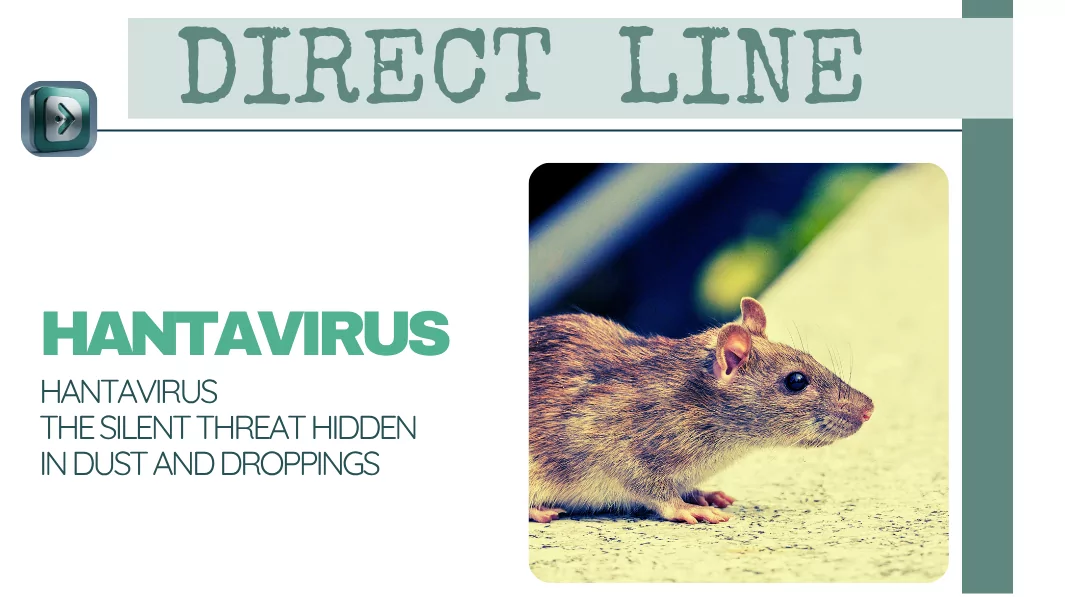
Hantavirus the silent threat: A room closed for months. An old shed filled with forgotten boxes. A camping trip in the countryside. Most people never imagine these ordinary situations could carry a dangerous health risk. Yet, in rare cases, exposure to rodent droppings, urine, or nesting material can lead to a serious illness known as Hantavirus.
While uncommon, hantavirus infections can become severe very quickly, making awareness and early medical attention extremely important. For many people the first symptoms feel deceptively ordinary. It feels like flu, exhaustion, or a stubborn viral infection. Beneath the surface however the body may be fighting something more dangerous.
What is Hantavirus?
Hantavirus is a group of viruses that is mainly spread by rodents. Humans can become infected when the tiny particles from the urine, droppings, or saliva of rodents become airborne and then breathed in. It is therefore not the dust itself that is dangerous; it is what may be hidden inside the dust that is. Different types of hantaviruses exist worldwide, and the symptoms themselves range from both mild to severe complications in the form of lung and kidney complications, based on the strain.
Where exposure commonly happens
Hantavirus the silent threat is most commonly linked to the sweeping or cleaning of areas that have been contaminated by the droppings of rodents. Spaces that are closed, with poor ventilation. The handling of dead rodents, or their nests. Cabins, when camping or staying there that have an infestation of rodents. Even farms that have been exposed, storage areas, sheds, garages, or abandoned buildings. In many cases, people who were exposed, don’t even realise that they have been.
An individual might think back and remember that they cleaned out an old storeroom. That they had perhaps been in a cabin which was shut for months before. There were perhaps signs of mice, but they didn’t think much of it. Danger sometimes doesn’t arrive with noise or a warning; it can sometimes travel quietly in the air we disturb.
Early symptoms that mimic the flu
The early symptoms can feel like flu and that is why it is difficult to recognise the initial symptoms at first, as it resembles common illnesses. The symptoms present themselves as:
- Fever
- Fatigue
- Muscle aches
- Headaches
- Chills
- Nausea or vomiting
- Dizziness
- Abdominal pain
It may feel like the flu or a viral infection, but hantavirus can quickly escalate.
When symptoms become severe
As the illness progresses, some individuals may develop severe breathing problems, as fluid begins affecting their lungs. The warning signs for when it becomes serious are:
- Shortness of breath
- Tightness of the chest
- Rapid breathing
- A persistent cough
- Severe weakness
- Low blood pressure
This is the stage where urgent medical care is required. The frightening part is how quickly the body can go from ‘feeling unwell’ to struggling for air. Do not wait if breathing becomes difficult after possible rodent exposure.
Hantavirus in South Africa
Hantavirus infections are considered rare in South Africa, but rodent-related illnesses remain an important public health concern globally. Symptoms can mimic many other conditions and so awareness is essential; especially after exposure to rodent-infested environments. Rare does not mean impossible.
How to reduce your risk
There are ways to reduce your risk. Avoid sweeping dry droppings, as sweeping can send contaminated particles into the air. Instead, you can ventilate the area first, wear both gloves and a mask, spray the droppings with disinfectant before cleaning, and use paper towels rather than dry sweeping. Sealing the entry points that rodents could potentially use helps. Check openings regardless of how small in: roof spaces, garage gaps, pipe openings, and food storage areas. Store food properly and avoid leaving pet food exposed overnight. Use caution in previously closed spaces. Be careful when opening: cabins, storerooms, sheds, containers, and holiday homes if left unused. Fresh air is one of the simplest protections.
Cleaning safely around rodent droppings
- Ventilate the area for at least 30 minutes before entering
- Wear disposable gloves and an N95 or similar mask
- Spray droppings and nesting material with a disinfectant or bleach solution
- Use paper towels to wipe up — never sweep or vacuum dry material
- Double-bag all waste and dispose of it in an outdoor bin
- Wash your hands thoroughly afterwards
When to seek medical attention
Seek medical attention if you develop flu-like symptoms after rodent exposure. If you experience worsening breathing symptoms, or feel severely weak or dehydrated. A persistent fever after cleaning contaminated areas is cause for concern. Early evaluation can make a major difference.
DirectDoc provides convenient access to online healthcare support in South Africa. Our health professionals can assist with symptom discussion, medical advice, guidance on when urgent care is needed, and general health support from the comfort of your home.
Book an online consultationAwareness is protection
Hantavirus the silent threat reminds us that health risks are not always loud or obvious. Sometimes illness hides in neglected corners like: beneath cardboard boxes, inside ceiling spaces, under layers of dust, and waiting quietly where people least expect it. Having awareness is not about fear, it is being able to recognise danger early enough to protect both yourself and your family.
If you are feeling unwell and uncertain about symptoms, or need medical guidance after possible exposure, the safest thing you can do is ask questions early.